‘Ik fotografeer dingen die ik niet wil schilderen en ik schilder dingen die ik niet kan fotograferen’
MAN RAY
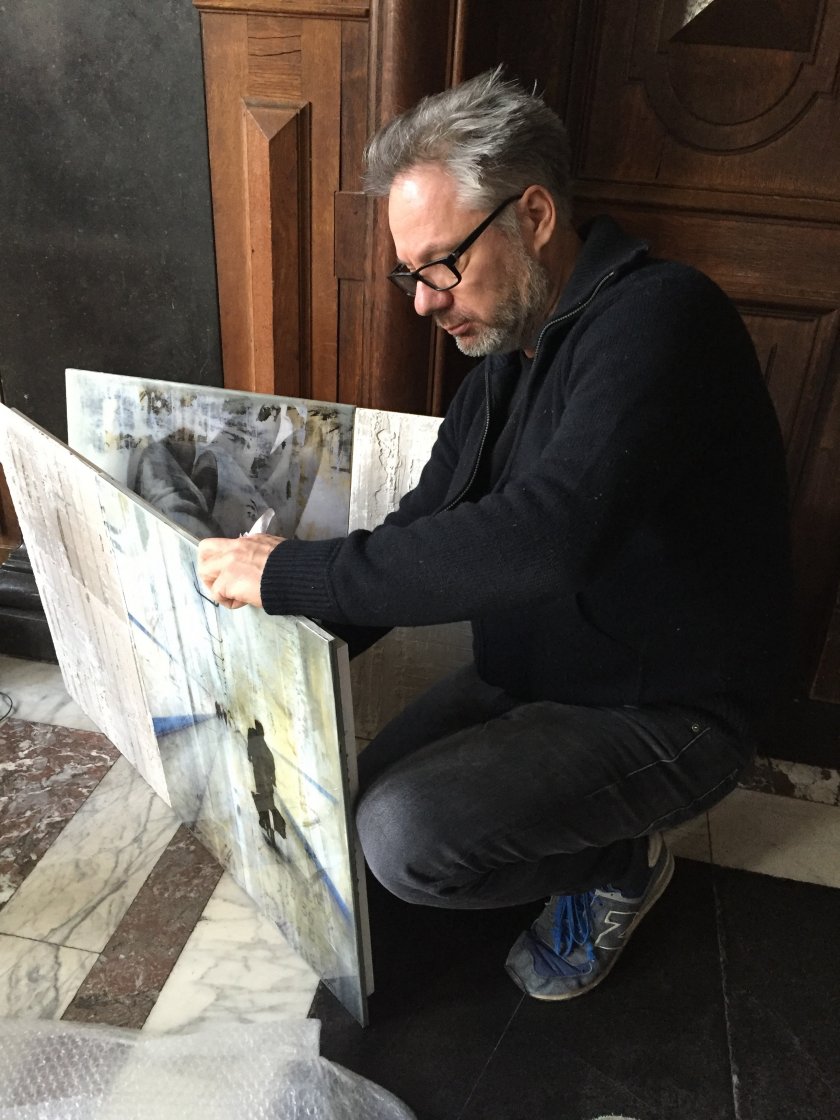
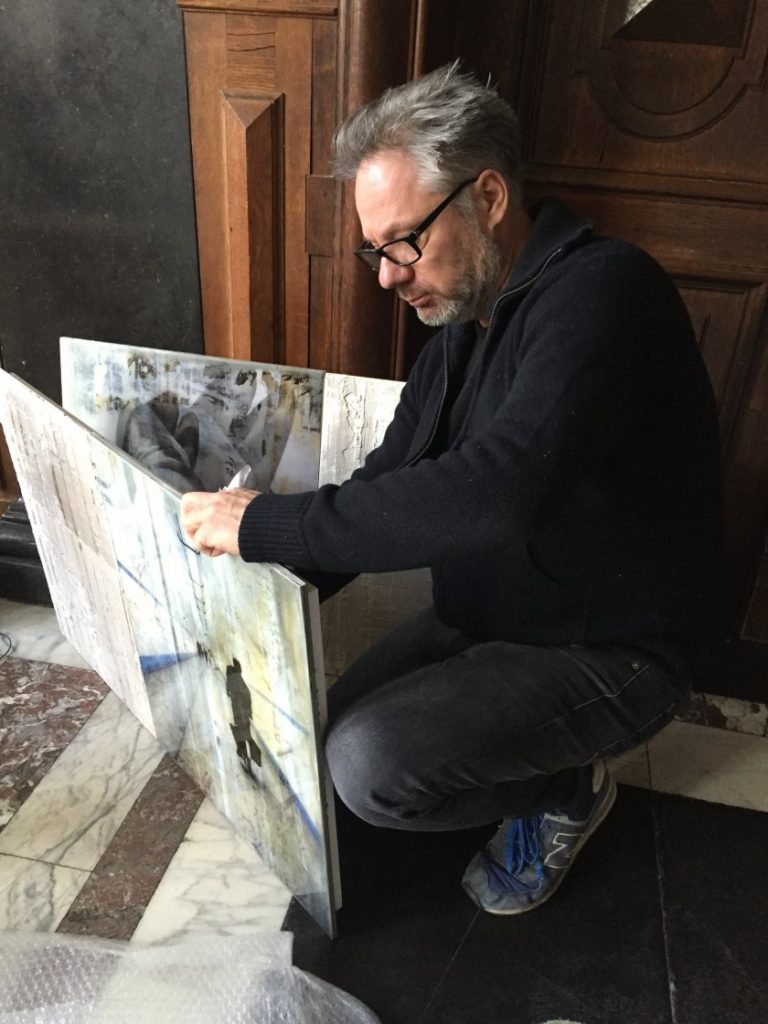
Robbert Fortgens (1960–2024) was een Nederlandse kunstenaar met een veelzijdig en voortdurend evoluerend oeuvre. Na zijn middelbare school studeerde hij enkele jaren aan de Gerrit Rietveld Academie in Amsterdam. Fortgens woonde en werkte in Antwerpen en exposeerde zijn werk in diverse Europese landen en de Verenigde Staten.
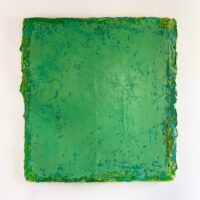
Zijn vroege werk werd gekenmerkt door een sterke belangstelling voor fotografisch realisme en fijnschilderkunst. Onder invloed van de Israëlische kunstenaar Meir Salomon ontwikkelde hij een grote technische precisie. Een belangrijk keerpunt volgde in 1988, toen hij het werk van Willem de Kooning zag in het Stedelijk Museum Amsterdam. Geïnspireerd door diens directe en intuïtieve benadering van schilderen maakte Fortgens de overstap van figuratieve voorstellingen naar krachtige abstract-expressionistische composities, waarin materiaal, kleur en schildergebaar centraal kwamen te staan.
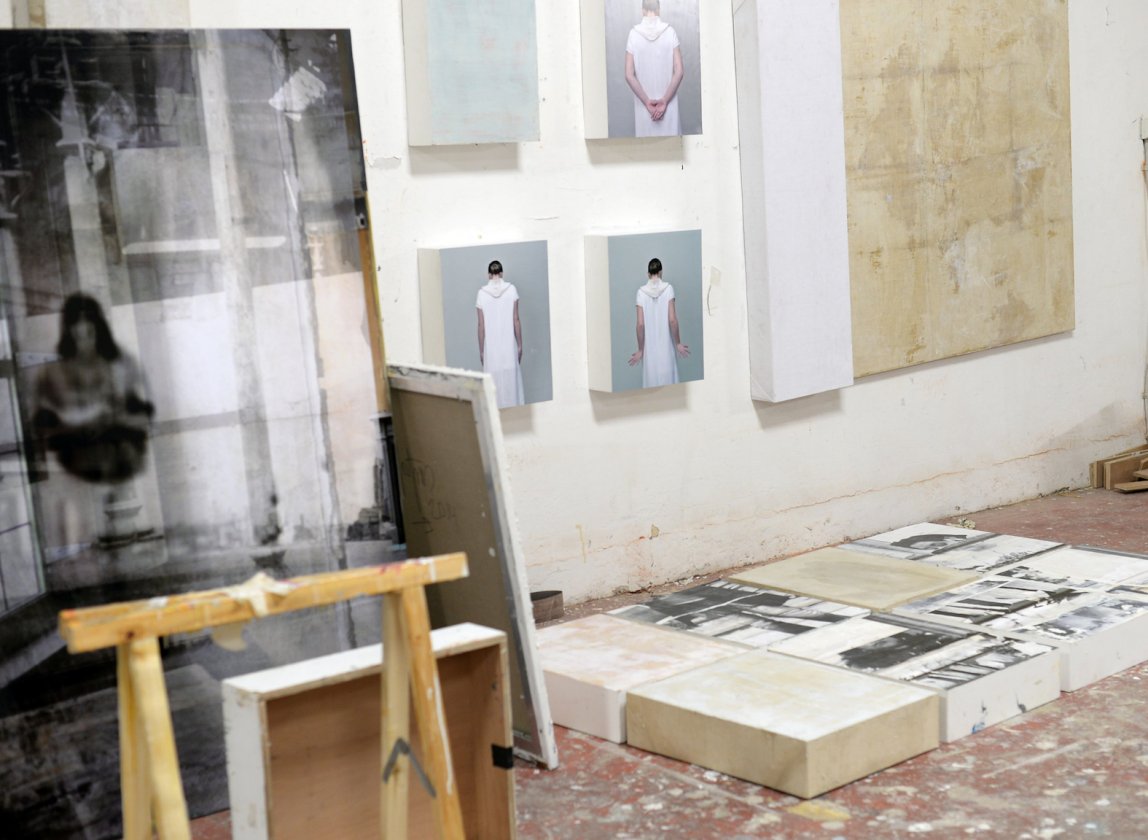
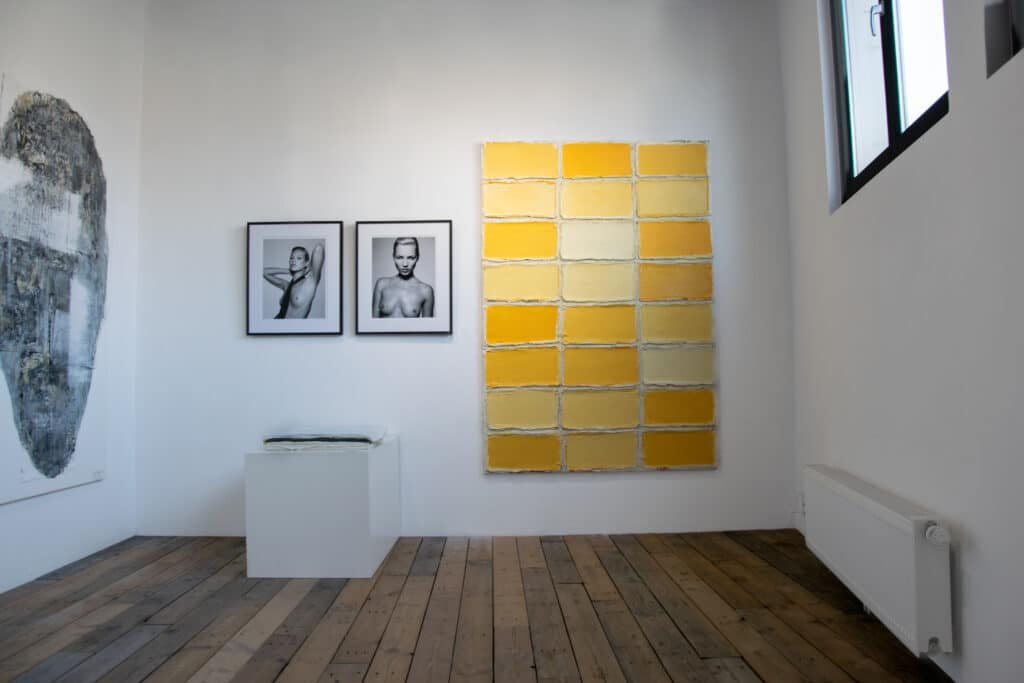
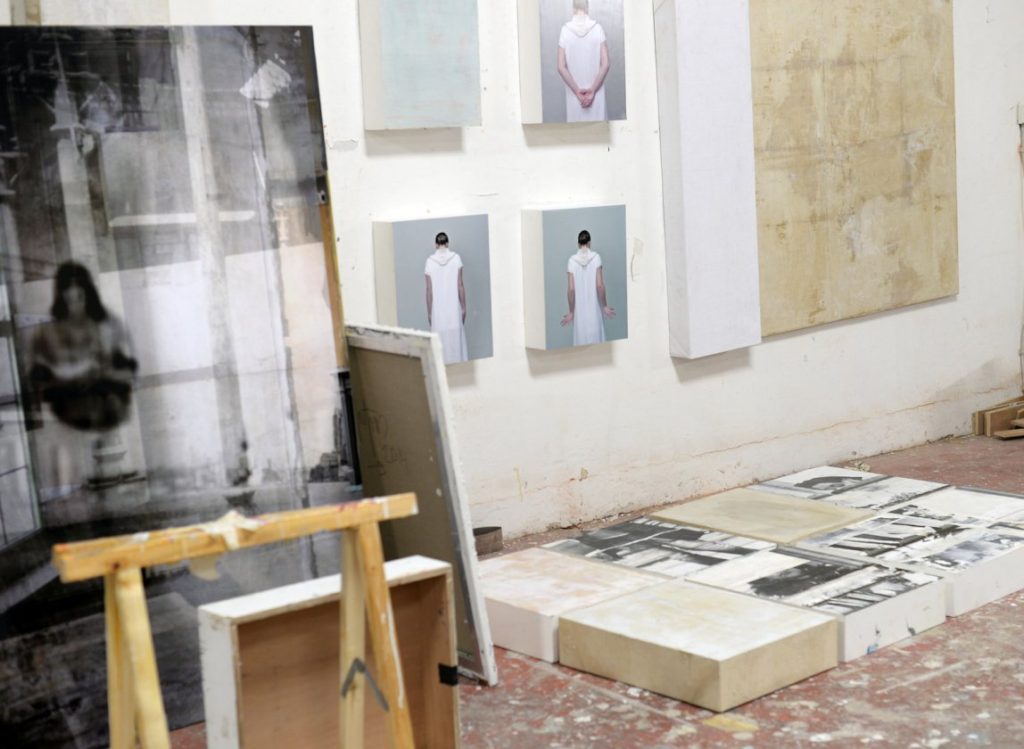
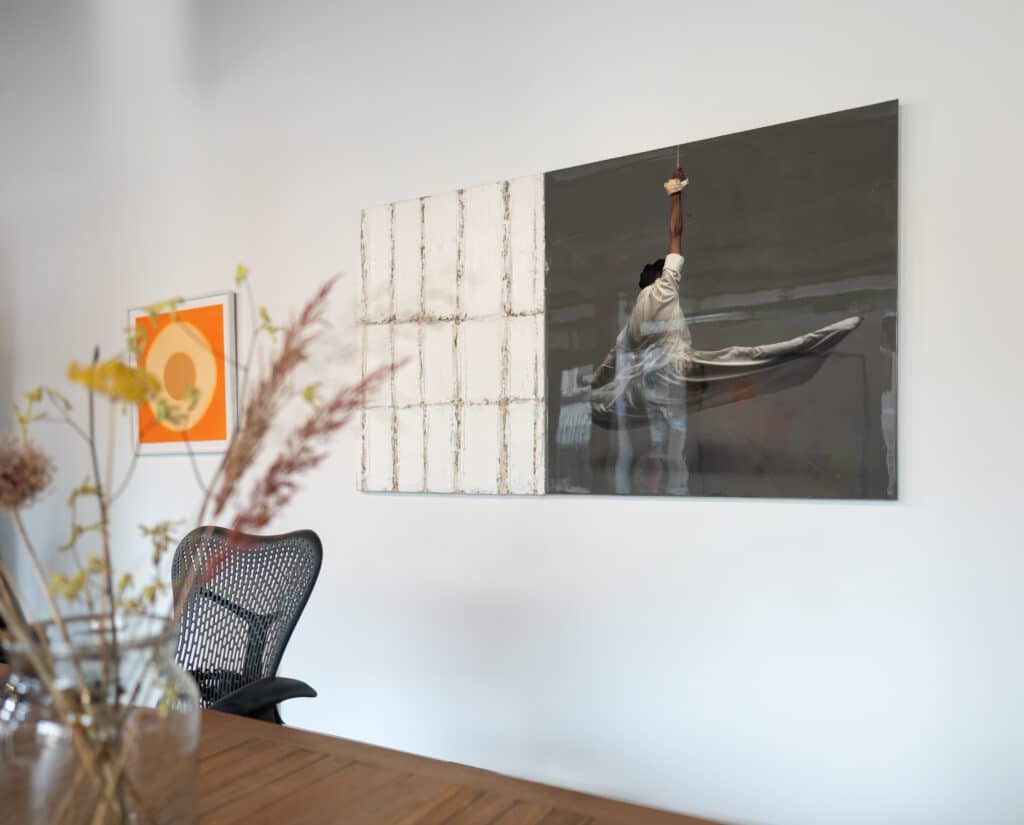
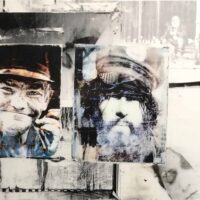
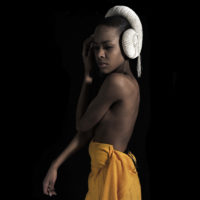
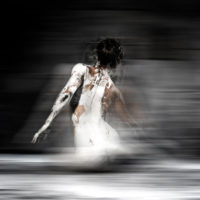
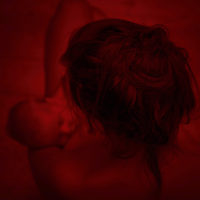
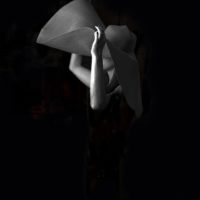
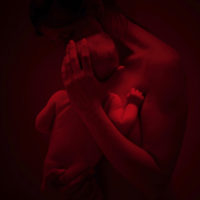
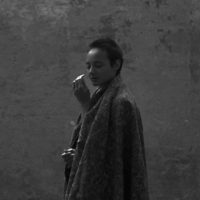
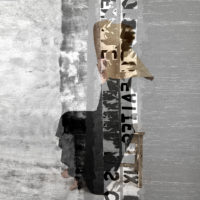
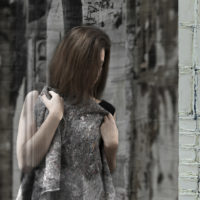
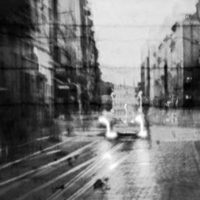
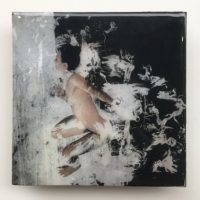
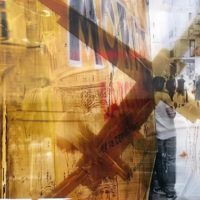
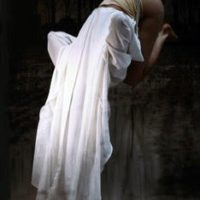
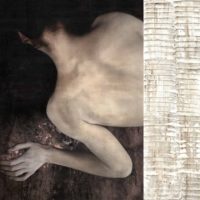
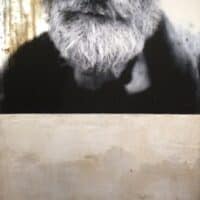
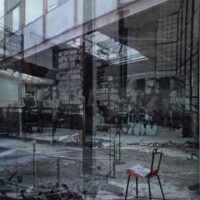
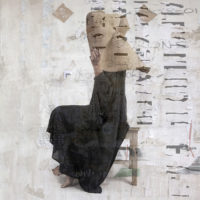
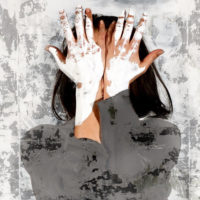
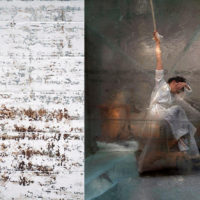
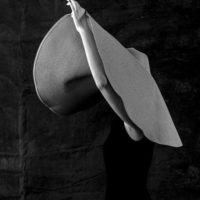
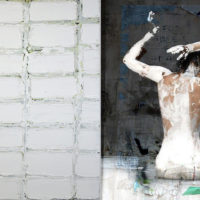
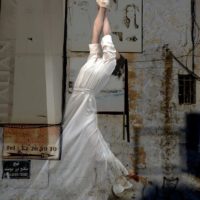
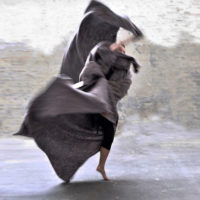
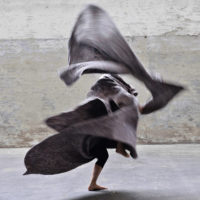
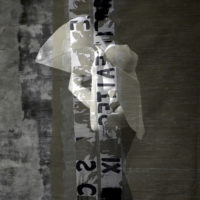
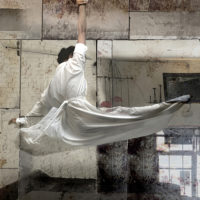
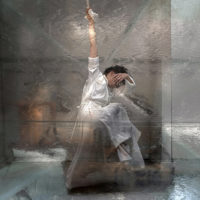
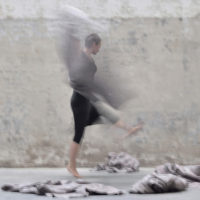
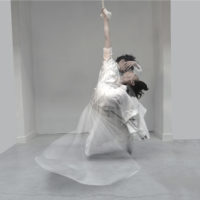
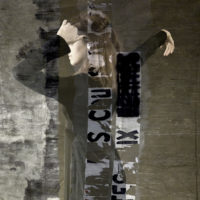
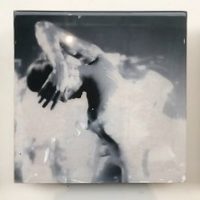
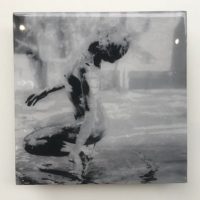
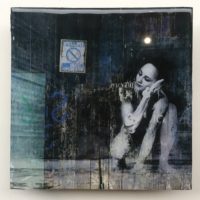
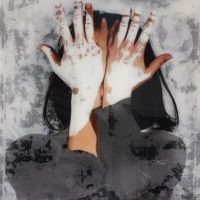
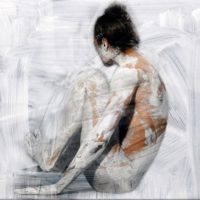
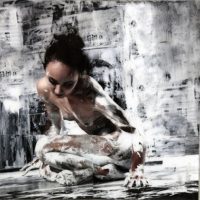
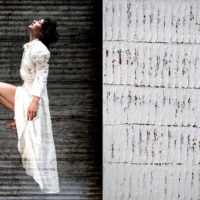
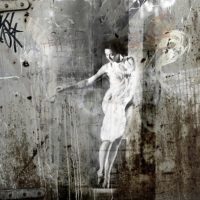
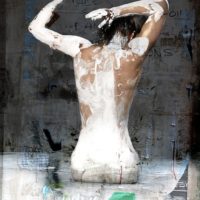
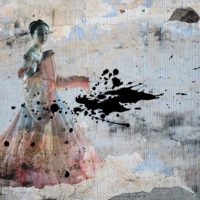
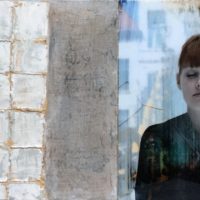
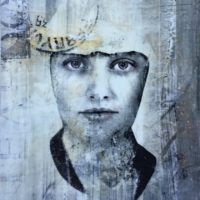
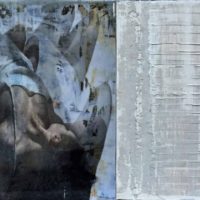
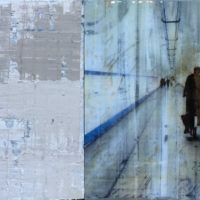
Naast schilderkunst speelde fotografie gedurende een belangrijk deel van zijn carrière een centrale rol. In een reeks werken bracht hij fotografie en schilderkunst samen, waarbij beide disciplines elkaar aanvulden en versterkten. Door fotografie, verf, epoxy en andere materialen te combineren, ontstonden gelaagde composities waarin de grenzen tussen beide media bewust werden vervaagd.
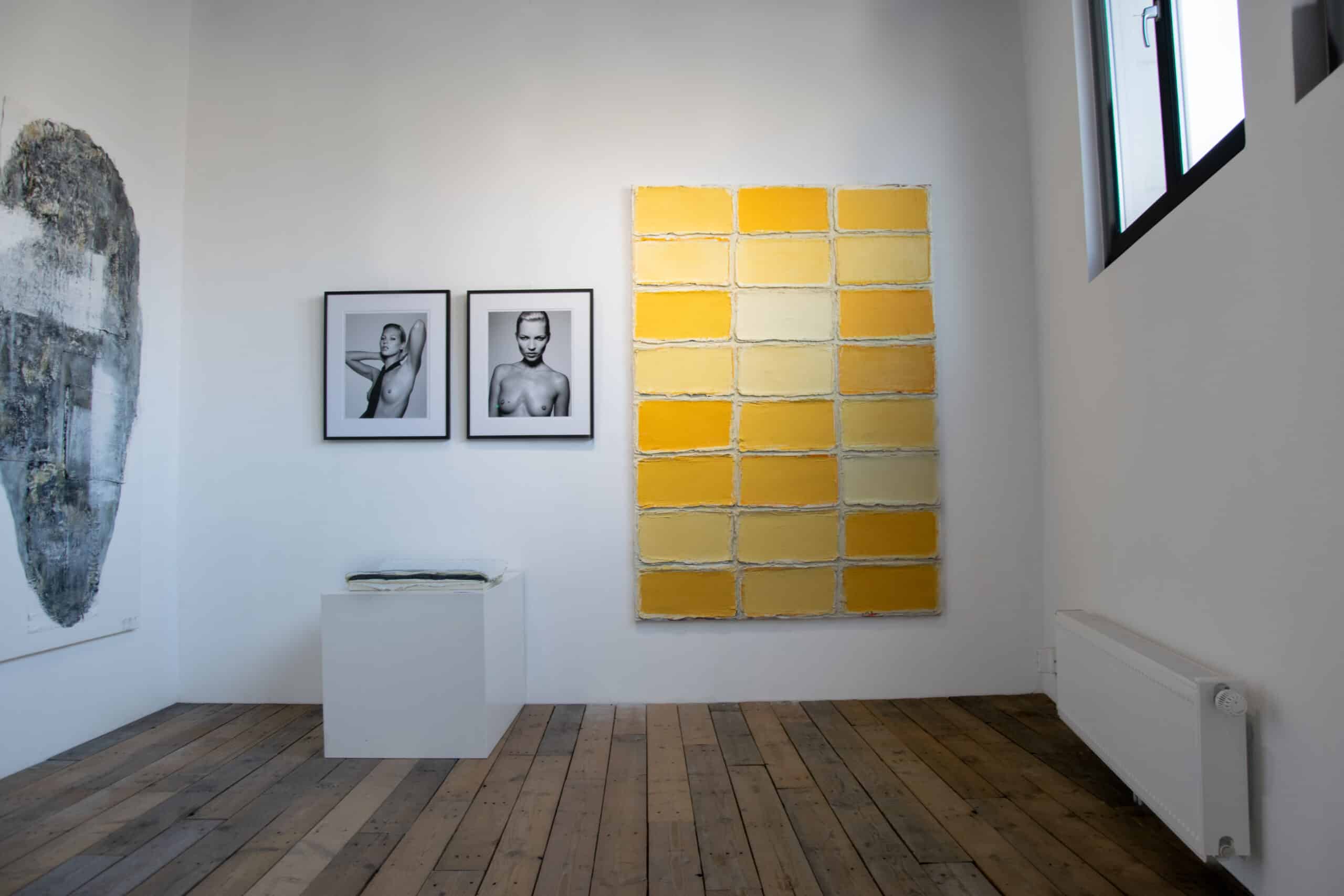
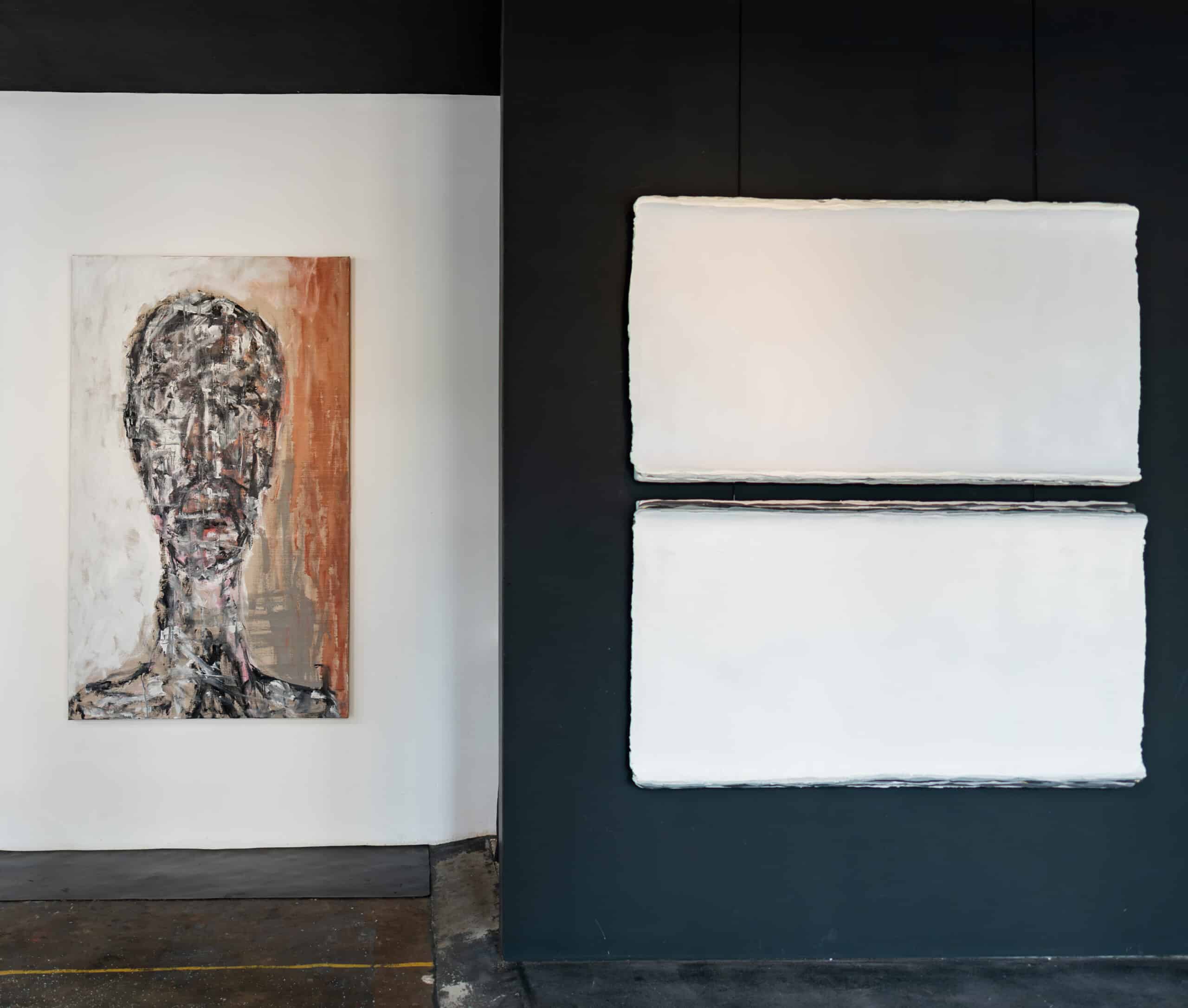
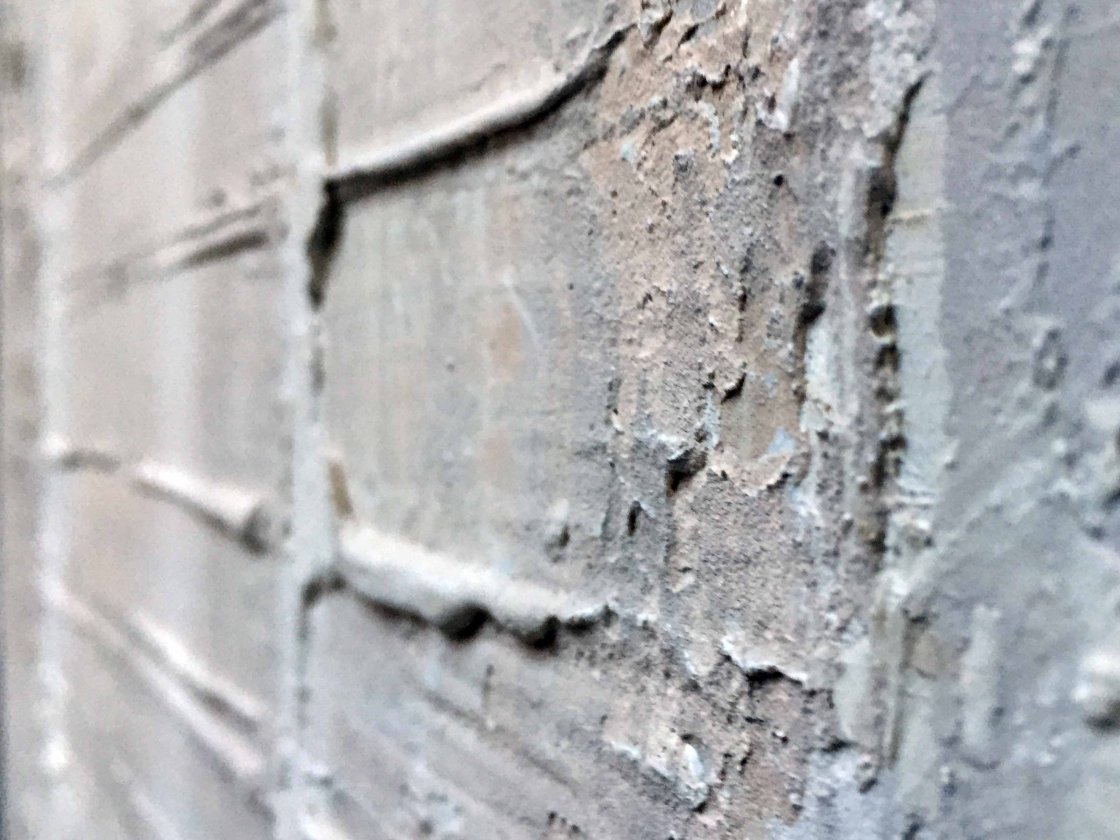
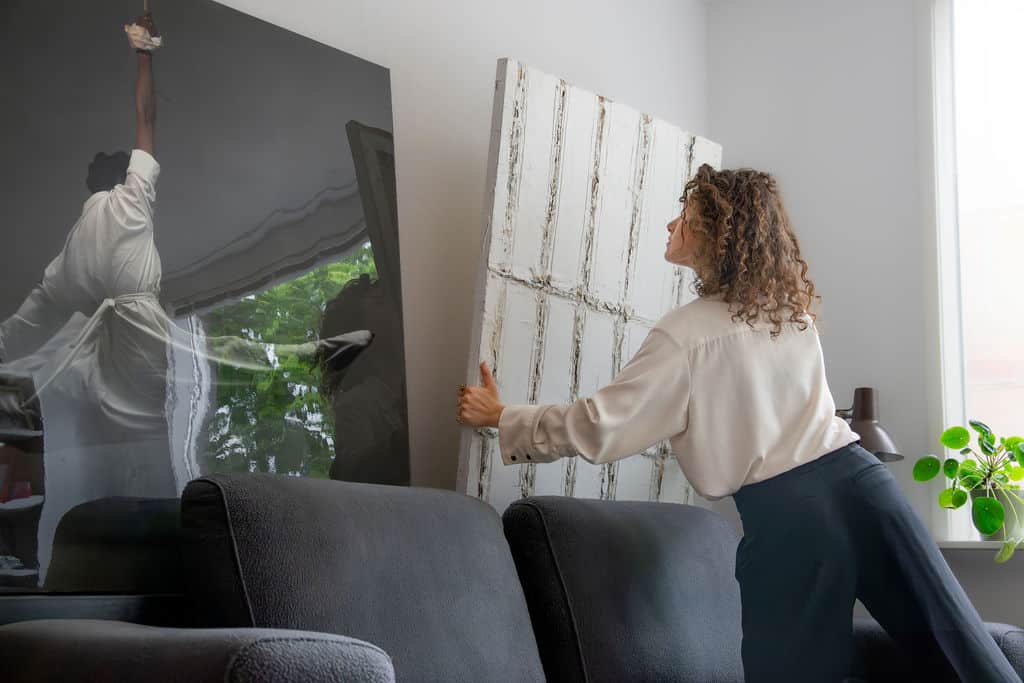
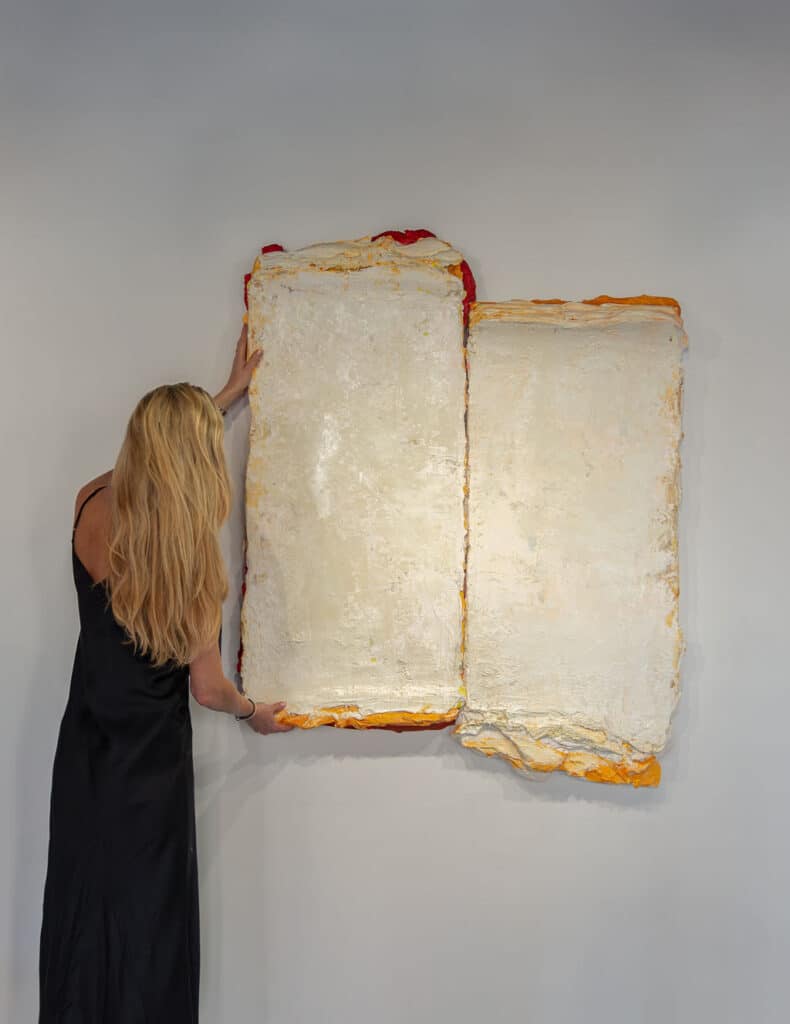
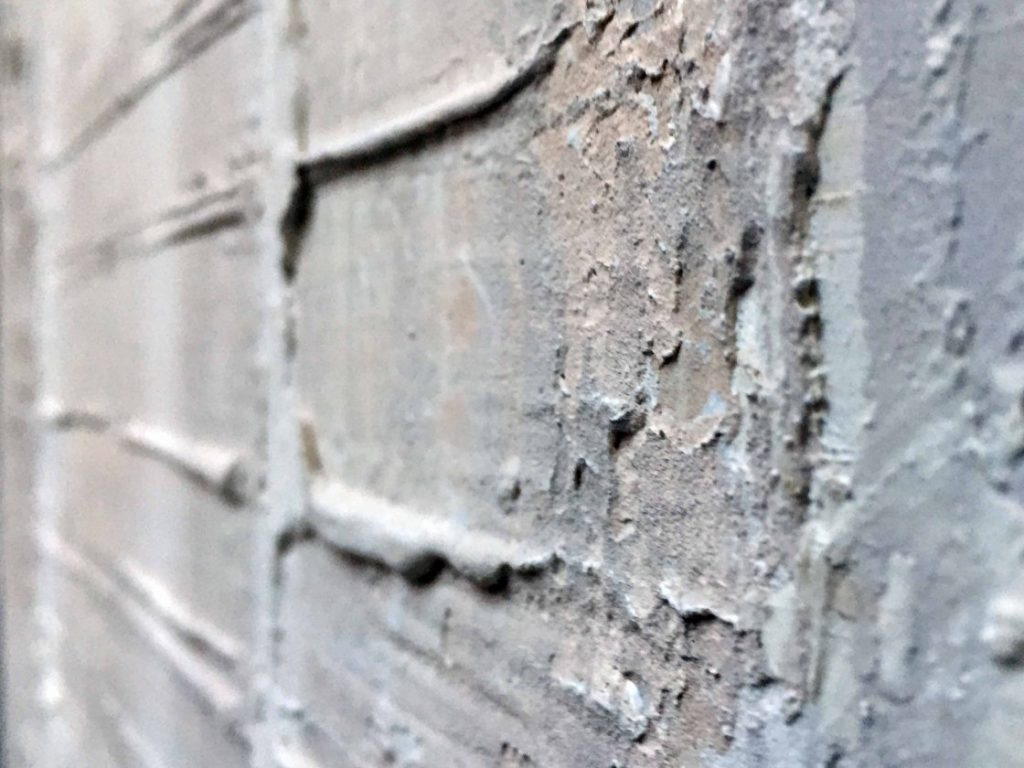
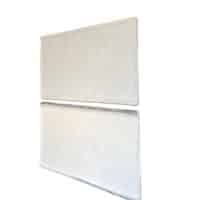
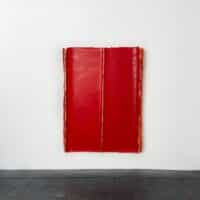
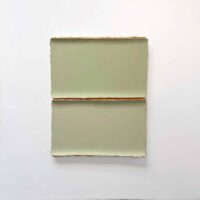
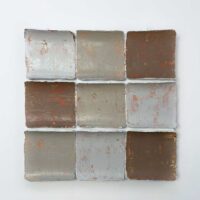
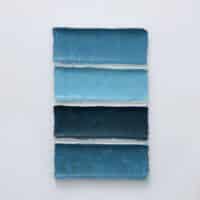
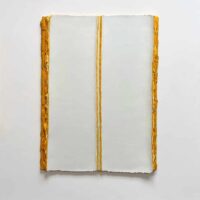
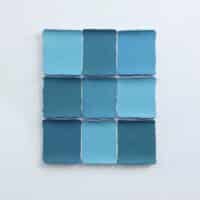
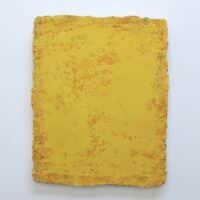
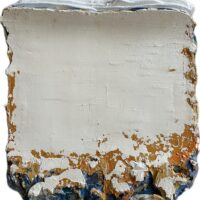
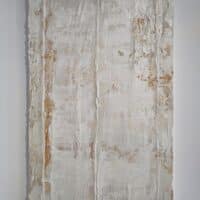
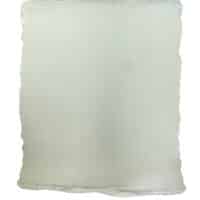
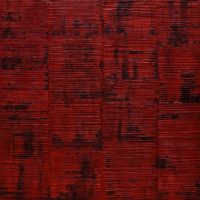
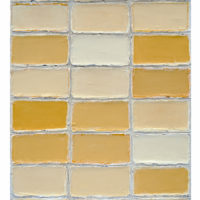
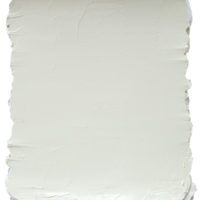
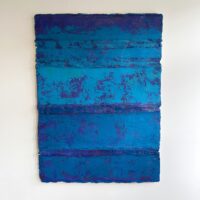
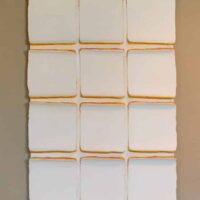
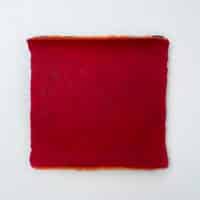
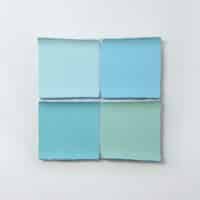
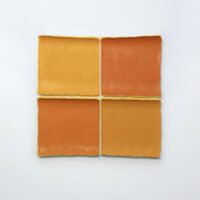
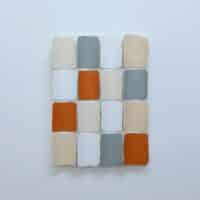
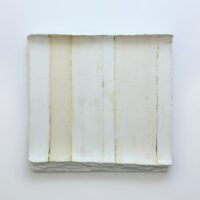
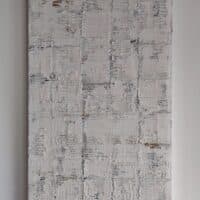
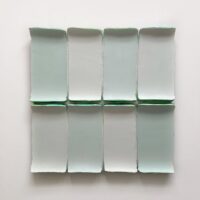
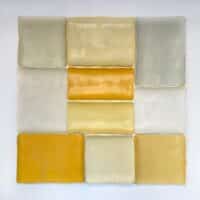
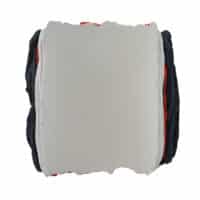
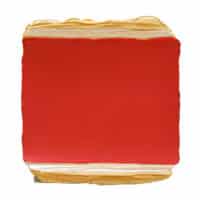
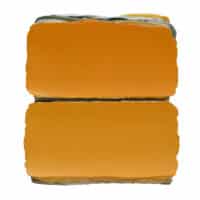
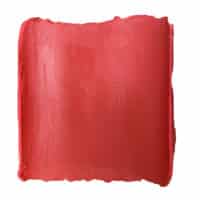
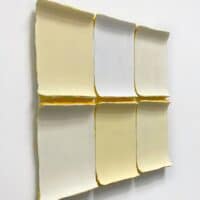
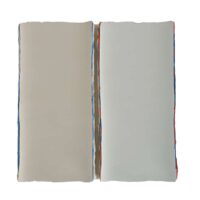
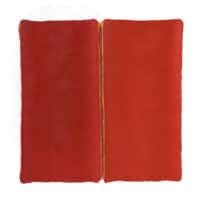
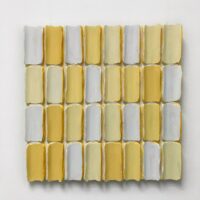
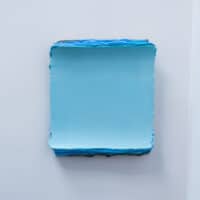
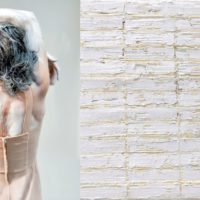
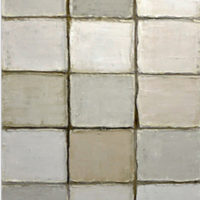
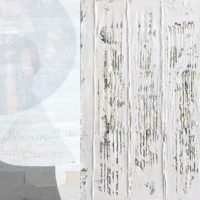
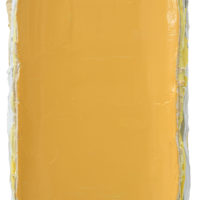
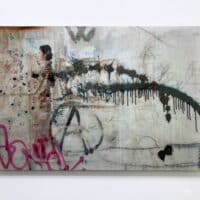
In zijn latere werk richtte Fortgens zich steeds meer op de autonome mogelijkheden van de schilderkunst. Zijn abstracte werken werden opgebouwd uit opeenvolgende lagen van onder meer verf en gips, waarbij iedere laag afzonderlijk moest drogen voordat een volgende kon worden aangebracht. Dit zorgvuldige proces resulteerde in schilderijen met een rijke textuur, subtiele diepte en een sterke materiële aanwezigheid. Kleur, licht en structuur gaan hierin een voortdurend samenspel aan.
Het oeuvre van Robbert Fortgens laat een kunstenaar zien die voortdurend nieuwe vormen van verbeelding onderzocht en daarbij een geheel eigen beeldtaal ontwikkelde, waarin technische beheersing, materiële rijkdom en persoonlijke expressie samenkomen.
—
“I photograph things I do not want to paint, and I paint things I cannot photograph.”
— MAN RAY
Robbert Fortgens (1960–2024) was a Dutch artist whose oeuvre was marked by constant evolution and experimentation. After completing his secondary education, he studied for several years at the Gerrit Rietveld Academie in Amsterdam. Fortgens lived and worked in Antwerp and exhibited his work throughout Europe and the United States.
His early work was characterised by a strong interest in photorealism and traditional fine painting techniques. Under the influence of the Israeli artist Meir Salomon, he developed a high level of technical precision. A significant turning point came in 1988 when he encountered the work of Willem de Kooning at the Stedelijk Museum Amsterdam. Inspired by De Kooning’s direct and intuitive approach to painting, Fortgens moved away from figurative representation and embraced powerful abstract expressionist compositions in which material, colour and gesture became central elements.
Alongside painting, photography played an important role throughout much of his career. In a number of series, he brought photography and painting together, allowing the two disciplines to complement and strengthen one another. By combining photography, paint, epoxy and other materials, he created layered compositions in which the boundaries between the two media were deliberately blurred.
In his later work, Fortgens increasingly focused on the autonomous possibilities of painting. His abstract works were built up through successive layers of paint, plaster and other materials, with each layer requiring time to dry before the next could be applied. This meticulous process resulted in paintings of rich texture, subtle depth and a strong physical presence. Colour, light and surface structure interact continuously, revealing new nuances and perspectives.
Robbert Fortgens’ oeuvre reflects an artist who consistently explored new forms of visual expression and developed a distinctive visual language in which technical mastery, material richness and personal expression converge.